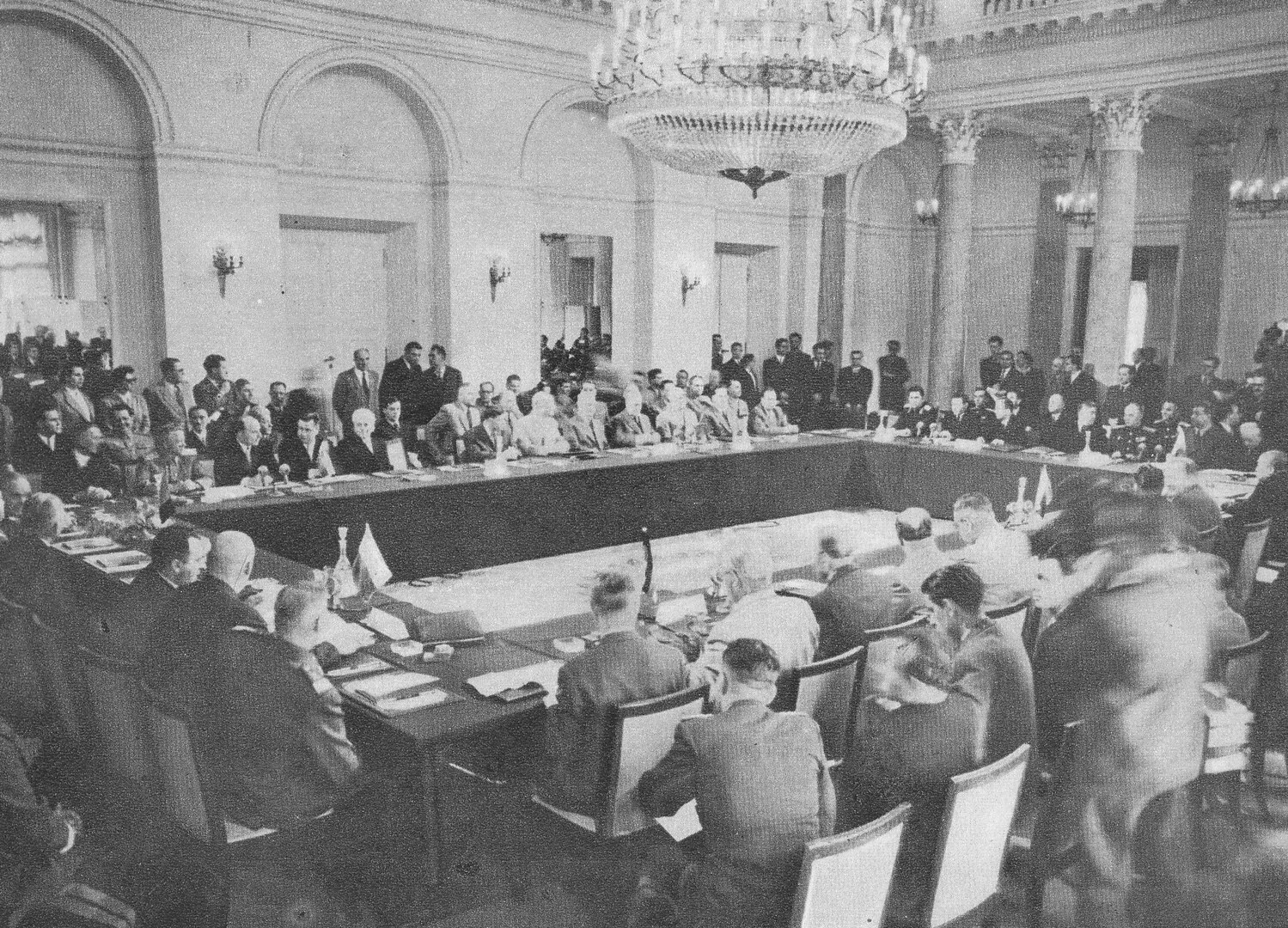
Soviet Influence
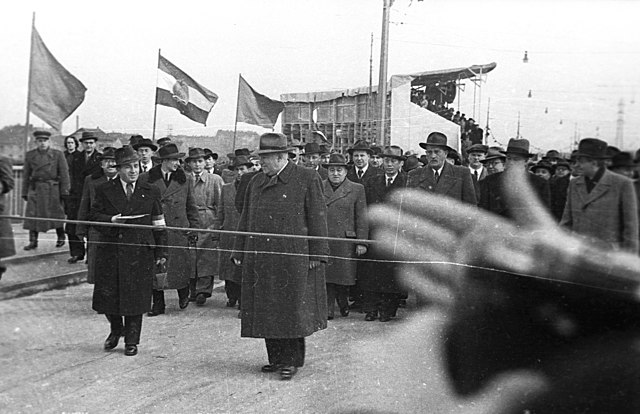
From 1949 onward, Mátyás Rákosi, the self-proclaimed "Stalin's best pupil", led a hard Stalinist dictatorship. Political opponents were imprisoned, executed, or exiled, and the ÁVH (State Security Police) became a symbol of fear and brutality. Ordinary Hungarians were encouraged to denounce their neighbours, creating an atmosphere of deep mistrust.
Political Oppression and Fear
The ÁVH were everywhere. You didn't know who to trust, or even who was listening."
Anonymous Budapest resident
The Communist regime eliminated opposition parties. They abolished freedom of speech, and
controlled all aspects of life. Show trials were staged to remove perceived enemies,
and intellectuals, priests, and even loyal party members could be accused of treason.
The cult of personality around Stalin and Rákosi dominated public life. His image appeared
in schools, factories, and on the walls of every public building. Criticism of the government
or of the Soviet Union was treated as a crime.
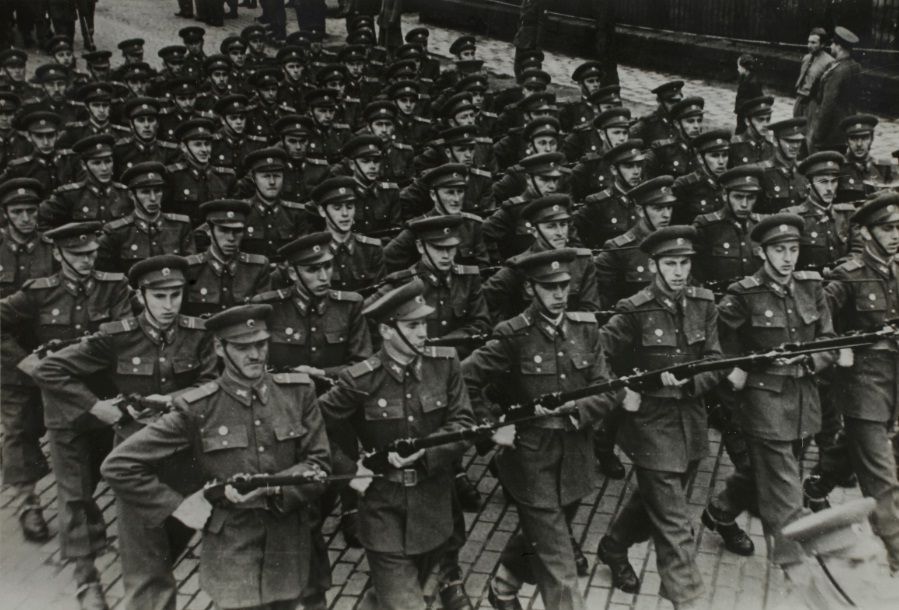
Economic Hardship
Economic reform damaged rather than revived Hungary. Rákosi's policy of forced industrialisation attempted to transform Hungary from an agricultural
society into a model socialist state. Heavy industry was prioritised over consumer goods,
leading to shortages, poor living standards, and widespread poverty.
Farmers were forced into collective farms, surrendering their land and livestock to the state.
The result was a sharp decline in agricultural productivity and growing resentment in rural areas.
By the early 1950s, wages had falled, food was scarce, and inflation was rampant. Despite these
hardships, propaganda painted an image of prosperity and success, deepening public cynicism.
Hopes for Reform
"We have learned that the Party's truth is not always the people's truth."
Leaflet distributed before the march, 1956
The death of Stalin in 1953 brought cautious optimism across Eastern Europe. In Hungary, Imre
Nagy became Prime Minister and introduced his "New Course" policy. It relaxed censorship, improving
consumer goods production, and releasing political prisoners.
For the first time in years, Hungarians began to hope for genuine change. But in 1955, Nagy was dismissed,
and Rákosi returned to power, reversing reforms and reinstating repression. This abrupt shift reignited
popular anger.
By 1956, Hungary was simmering with frustration. Tired of Soviet control, economic suffering, and political
fear. The success of reformers in Poland that year inspired Hungarian students, workers, and
intellectuals to act.
On 23 October 1956, these tensions finally boiled over into open defiance.
Learn about the events of the Revolution.